
Kids Bedroom Interior Design
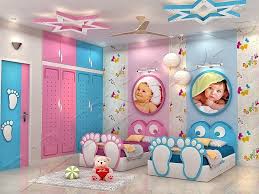
Designing a kids' bedroom is a balance between creativity, functionality, and safety. The space should be an inspiring place for learning, playing, and resting while also serving the practical needs of both children and parents. Here are key elements to consider when designing a kids' bedroom: 1. Safety First The safety of children is paramount. Every decision, from furniture to accessories, should prioritize their well-being: Non-toxic paints and finishes: Always use paints and finishes that are low in volatile organic compounds (VOCs) and free from harmful chemicals. Rounded furniture: Sharp edges on furniture can be dangerous, so opt for pieces with rounded corners or add protective bumpers. Secure furniture: Tall furniture like bookshelves or dressers should be secured to the wall to prevent tipping accidents. Cord-free window treatments: Avoid blinds or curtains with cords to eliminate choking hazards. 2. Color Scheme Choosing the right colors can set the tone for the room and influence the child’s mood: Bright, energizing colors like yellows, oranges, or reds are perfect for play areas, promoting energy and creativity. Soothing tones like soft blues, greens, or lavenders work well in areas dedicated to rest and sleep, creating a calming atmosphere. Accent walls or wall decals: Consider adding a fun touch with playful patterns, animal designs, or favorite characters to one wall. This adds excitement without overwhelming the entire space. 3. Furniture for Functionality and Growth Kids grow fast, so select furniture that adapts as they age: Multi-functional pieces: Invest in furniture that serves multiple purposes, such as a bed with storage drawers, a desk that doubles as a play area, or a bunk bed with a desk underneath. Adjustable furniture: Desks and chairs that adjust in height will allow the furniture to grow with your child. Storage solutions: Kids tend to accumulate toys, books, and clothes, so it's essential to have plenty of storage options. Use bins, baskets, or shelves to keep everything organized and accessible. 4. Create Zones for Different Activities A kids' room should be designed for both play and rest, and dividing the room into specific zones can help: Sleeping area: The bed should be comfortable and inviting. A fun theme, such as a princess bed, spaceship design, or sports motif, can make the sleeping area special. Play area: Leave enough space for creative activities, such as drawing, building with blocks, or playing with toys. Soft rugs or mats can provide a comfortable surface for play. Study nook: As your child grows, a designated space for homework or reading becomes essential. A small desk with proper lighting, a comfortable chair, and shelves for books are important. Storage space: Consider furniture that can store toys and books, like a toy chest, shelving unit, or under-bed storage. 5. Personalization and Themes Allow your child’s personality and interests to shine through in the room’s design: Theme rooms: Popular themes like animals, space, princesses, or superheroes can make the room feel unique. Be sure to incorporate the theme in a balanced way, such as through bedding, wall art, or toys. Artwork and decorations: Kids often have favorite characters, colors, or hobbies that can be reflected in wall art, posters, or DIY crafts. Let the child contribute to the decorating process by displaying their artwork or letting them choose colors and styles. 6. Lighting Proper lighting can transform a room and support different activities: Task lighting: Use bright, focused lighting for reading, homework, and other activities. A desk lamp or wall-mounted light can provide focused illumination. Ambient lighting: Soft, adjustable lighting creates a cozy atmosphere for relaxation and bedtime. Consider dimmable lights or soft-colored nightlights. Fun light fixtures: Fun light sources like a cloud-shaped light fixture, starry ceiling lights, or themed lamps can enhance the room’s playful character. 7. Flooring and Rugs The right flooring makes a big difference in comfort and style: Soft carpets or rugs: Rugs provide comfort for playtime and help define zones in a large room. Choose colorful, soft rugs that can be easily cleaned. Easy-to-clean flooring: If your child tends to make messes, opt for hardwood floors, laminate, or vinyl, which are easier to maintain than carpets. Adding rugs will still provide comfort and warmth. 8. Incorporating Technology and Entertainment Kids today are surrounded by technology, but it’s essential to balance it with other activities: Screen-free zones: Encourage creativity and reading by designing a space for non-digital play, such as a reading corner or art table. Media stations: If the child enjoys watching TV or playing video games, create a small entertainment area with comfortable seating and storage for games and electronics. 9. Adaptable Design As children grow, their needs and tastes change, so the room should have the flexibility to evolve. Select neutral or adaptable furniture pieces that can be updated with accessories or decor as the child ages. For example: Wall colors and wallpaper: Choose wall paint that is easy to update, or use removable wall decals that can be swapped as the child’s interests change. Neutral base: Incorporate neutral base colors for furniture and walls to create a timeless backdrop that allows easier updates with colorful accents and decor. 10. Sustainable Design Parents are becoming increasingly concerned with sustainability, and it’s easy to incorporate eco-friendly choices into a kids' bedroom: Sustainable materials: Choose furniture made from sustainable woods, organic cotton for bedding, and non-toxic paints. Upcycled or hand-me-down furniture: If you’re trying to reduce waste, consider reusing or upcycling furniture, or buy second-hand items that can be refreshed with a coat of paint or new hardware. Conclusion Designing a kids' bedroom is an exciting opportunity to create a personalized, safe, and functional environment where your child can grow, play, and rest. By blending color, furniture, and thoughtful organization, you can create a space that reflects your child’s interests while ensuring their safety and comfort. Balancing fun with practicality and incorporating space for play, study, and rest will make the room not just a place to sleep, but a place for dreams to grow.
Abhishek Asthana
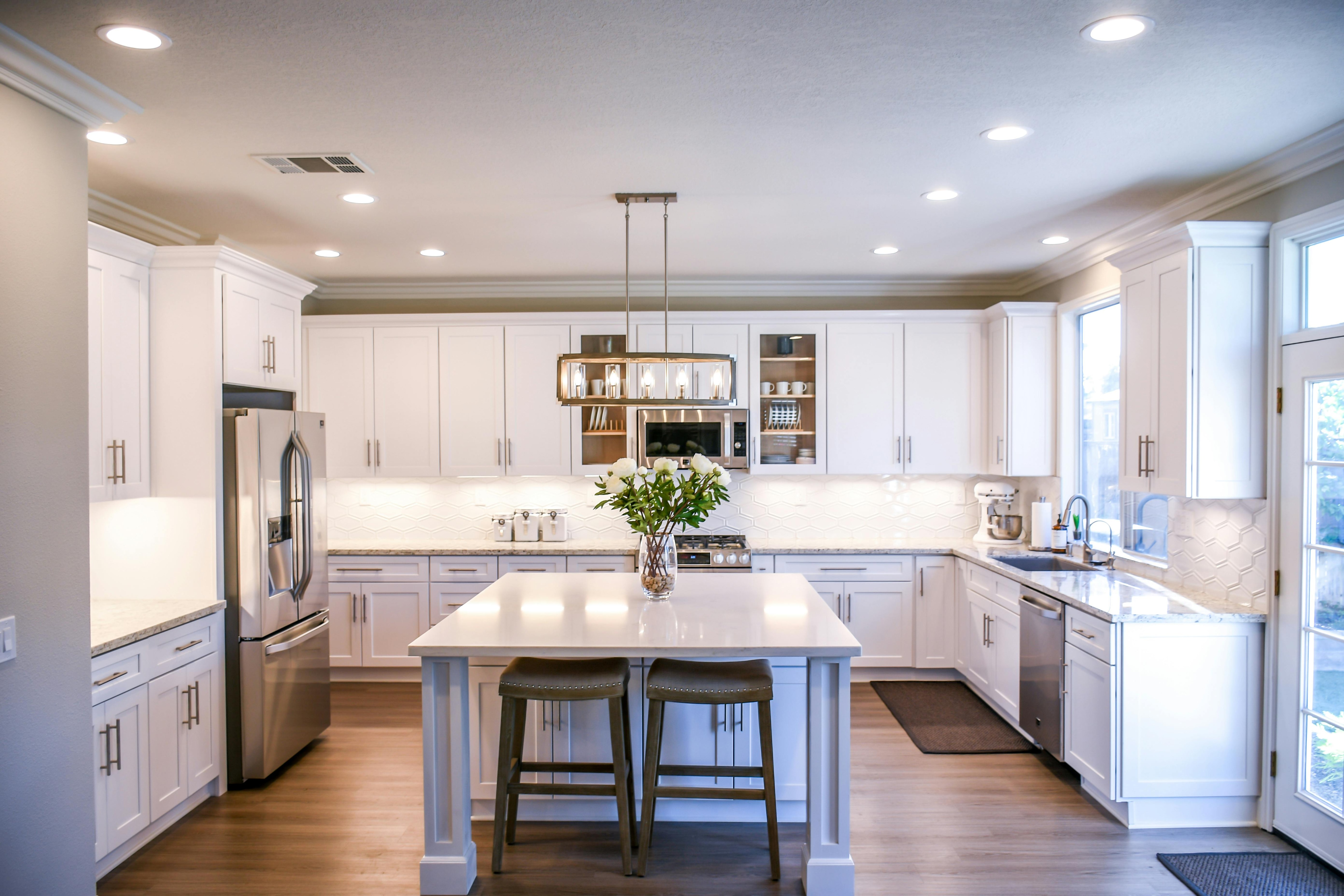
I am absolutely thrilled with the transformation of my flat, thanks to Mr Shamanth (PERFINNO INTERIORS). From our first consultation, it was clear that they truly listened to my needs and vision. Their creativity and attention to detail have brought each room to life in a way I never imagined possible. Shamanth has an incredible eye for color, texture, and layout, creating spaces that are both functional and beautiful. They seamlessly blended my personal style with fresh, innovative ideas, resulting in a harmonious and inviting environment. Their professionalism and commitment to excellence were evident throughout the entire process. They were always punctual, communicative, and respectful of my budget and timeline. Their network of quality vendors and contractors ensured that every aspect of the project was executed flawlessly. I couldn’t be happier with the final result and highly recommend PERFINNO INTERIORS to anyone looking to elevate their living space. My home now feels more cohesive, stylish, and reflective of my personality, all thanks to their exceptional talent and hard work.